3 June 2026 · 7 min read
The name beneath the hammer
At seven minutes past the hour, the room fell silent. Not the silence of anticipation — something quieter, as if the object itself had demanded it.
By Edward Whitmore, master of the workshop

The Beresford Rooms in Mayfair are not, strictly speaking, a public place. One enters by invitation, passes through a corridor lined with portraits of men who collected before collecting had a name, and arrives in a chamber that smells of old leather, furniture polish, and the particular tension that precedes a decision no one in the room will later admit to having made. On the fourteenth of May, I was there. Not as a bidder — I am too poor for that, and too invested in other currencies — but as a witness. The workshop had been asked to attend, and one does not refuse such a request.
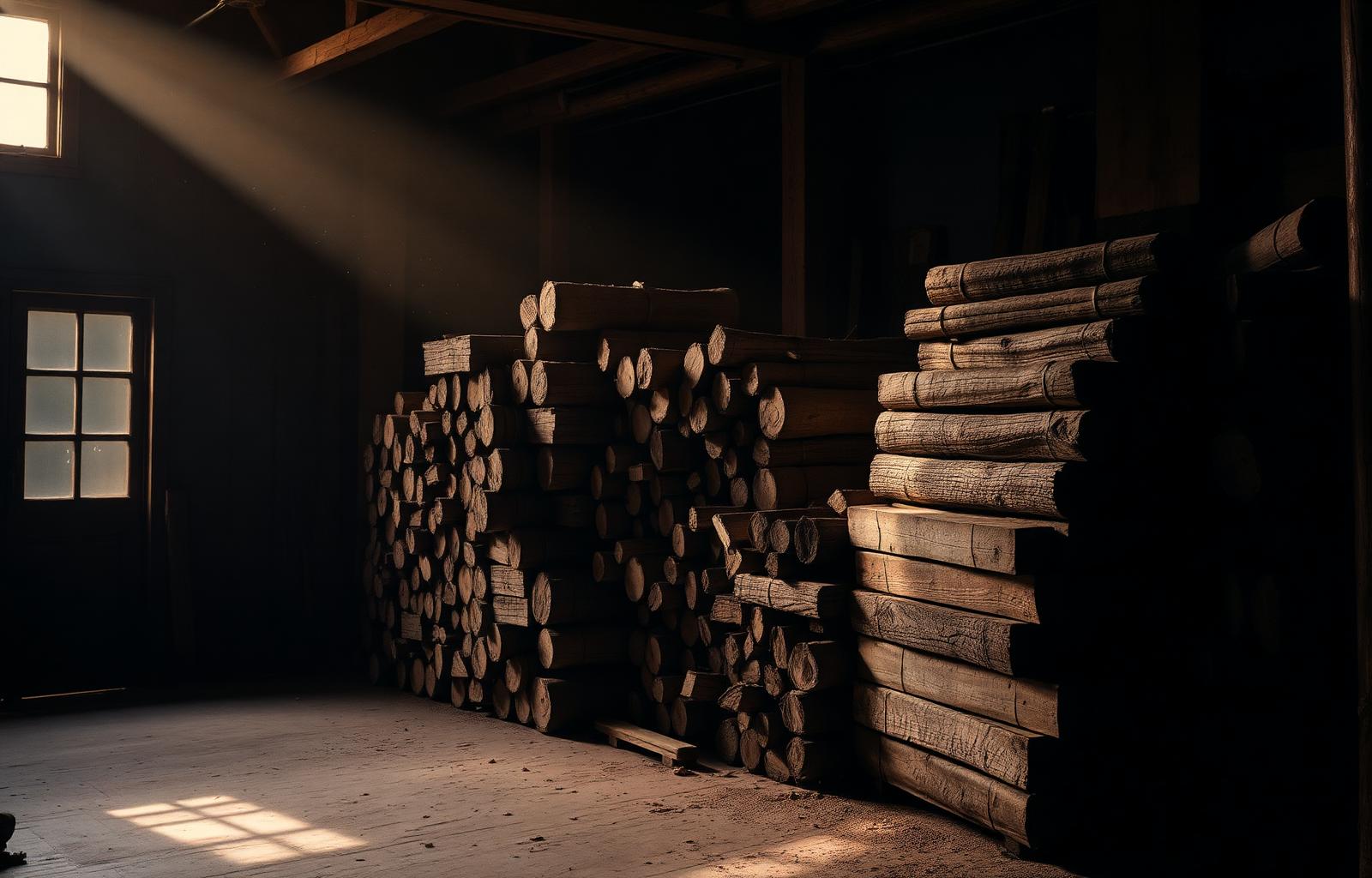
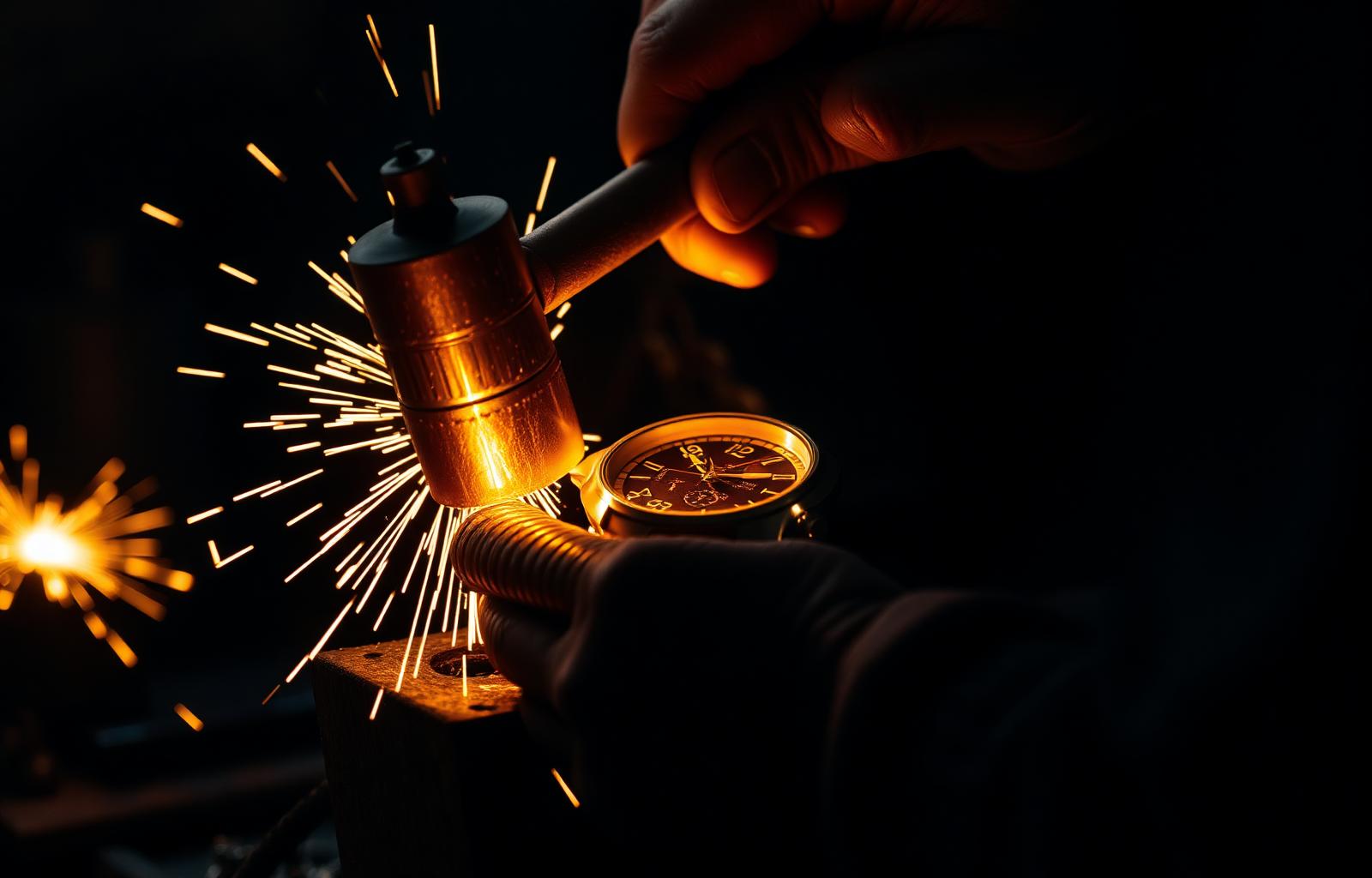
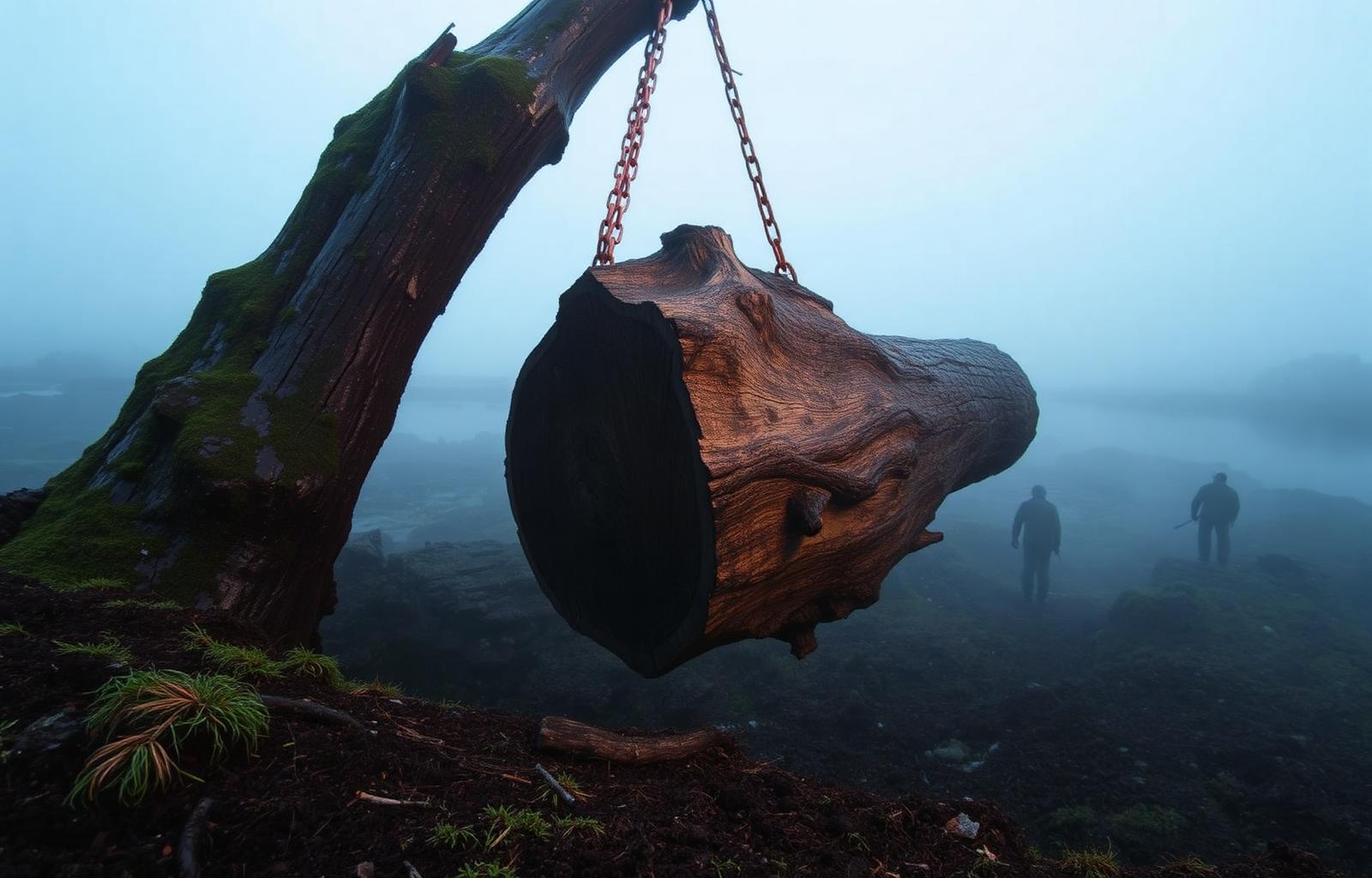
The piece was Number One of the Clerkenwell Edition, completed in the winter of 2023 and held back from public release at the insistence of the original commissioner, who later found himself in circumstances that required liquidity. It is a curious thing to watch an object you have lived beside for eighteen months acquire a value that bears no relation to the hours it consumed. The case is bog oak — five millennia in the Irish peat, eight years in our cellars, forty-two hours of cutting and fitting by a single cabinetmaker. The bezel was hammered by Camilla Roy over three days. Inside, a movement we did not make but chose, tested, and regulated ourselves. Nothing about it was extraordinary by our standards. Everything about it was singular.
What the hammer actually sells
The bidding opened at a figure that would have purchased a comfortable house in Hampshire. I will not write it here; the house has its own discretion, and I respect it. What followed was not the theatrical paddle-waving one sees in films. Two parties only, represented by agents who spoke into telephones in voices so low they might have been praying. The increments climbed with a steadiness that suggested neither excitement nor competition, but something closer to mutual recognition — each side acknowledging, in silence, that the object had already chosen its keeper.
At seven minutes past eleven, the gavel fell. The sum was one that crossed into seven figures. A gentleman seated to my left, who had been attempting to appear indifferent for the better part of an hour, closed his catalogue with a violence that made several heads turn. I did not feel elation. I felt, oddly, relief — the kind that follows when something fragile has been transferred from one pair of steady hands to another.
“We do not make these pieces to be owned. We make them to survive. If a collector understands that, the price is merely the vocabulary by which he declares it.”
— Edward Whitmore, remarks at the Beresford Rooms, May 2026
The collector without a name
The buyer remains unknown. The agent who raised the winning paddle represented, it is understood, a private collector based in Geneva, though Geneva is a city that shelters many such shadows. No photograph of the transaction was permitted. No statement will be issued. Within the hour, the piece was removed from the room in a case lined with charcoal-grey suede, and I have not seen it since. I doubt I shall again.
There is a peculiar loneliness in making something that vanishes. Not into obscurity — into privacy. The register in our workshop still records Number One as existing, but its location is now listed as 'held in private collection,' which is a polite way of saying it has entered a world where curators do not visit and scholars do not write catalogues. It will live in a safe, or on a wrist that appears at dinners where no one asks the time. It will be loved, I choose to believe, by someone who understands that ownership is not possession but custodianship.
What the workshop keeps
We received no share of the hammer price. The piece had left our hands two years prior, and whatever profit the sale generated belonged to the seller, not to us. What we received instead was a letter, delivered three days later, in a hand I did not recognise. It contained a single sentence: 'The wood still rings true.' No signature. No address for reply. I have kept it in the drawer beneath the workbench, beside Augustus Whitmore's notebooks and the carbon-14 certificates for billets that fell before the Pyramids were thought of.
I do not know who wrote it. I do not need to. The voice that recognises what we do requires no name to be genuine. And in the end, that anonymous sentence — five words on a sheet of cream paper — is worth more to this workshop than any figure the Beresford Rooms could have produced.
Atelier Lignum Aureum
Edward Whitmore, master of the workshop