12 May 2026 · 8 min read
On the patience of wood
Wood does not belong to human time. One must learn to wait — and to listen to what patience reveals in the material.
By Edward Whitmore, master of the workshop
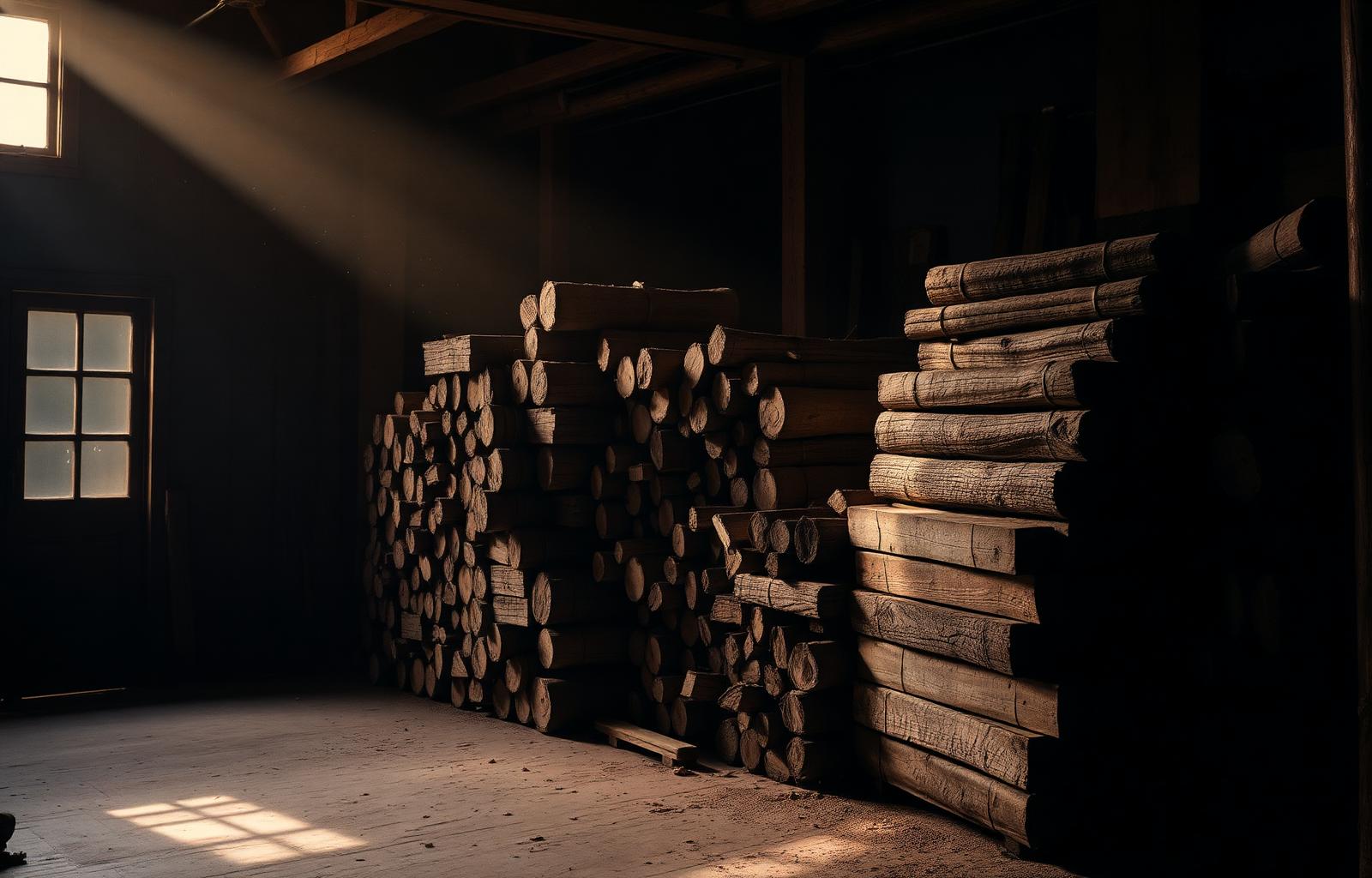
When people ask why our timepieces cost what they cost, I speak neither of gold nor of mechanism. I speak of time. Of a time that cannot be billed by the hour, but is counted in years — twelve, sometimes twenty — during which a wood billet rests in the tempered darkness of our cellars beneath Clerkenwell, untouched by anyone.
Freshly felled wood lies. It promises a stability it will never keep. Beneath a varnish applied too soon, it continues to breathe, to contract, to twist according to the seasons it still remembers. A case mounted on young wood will crack. Not at once — that is the cruelty of it — but in five years, in ten. At the precise moment its owner has stopped being wary of it.
What waiting does to wood
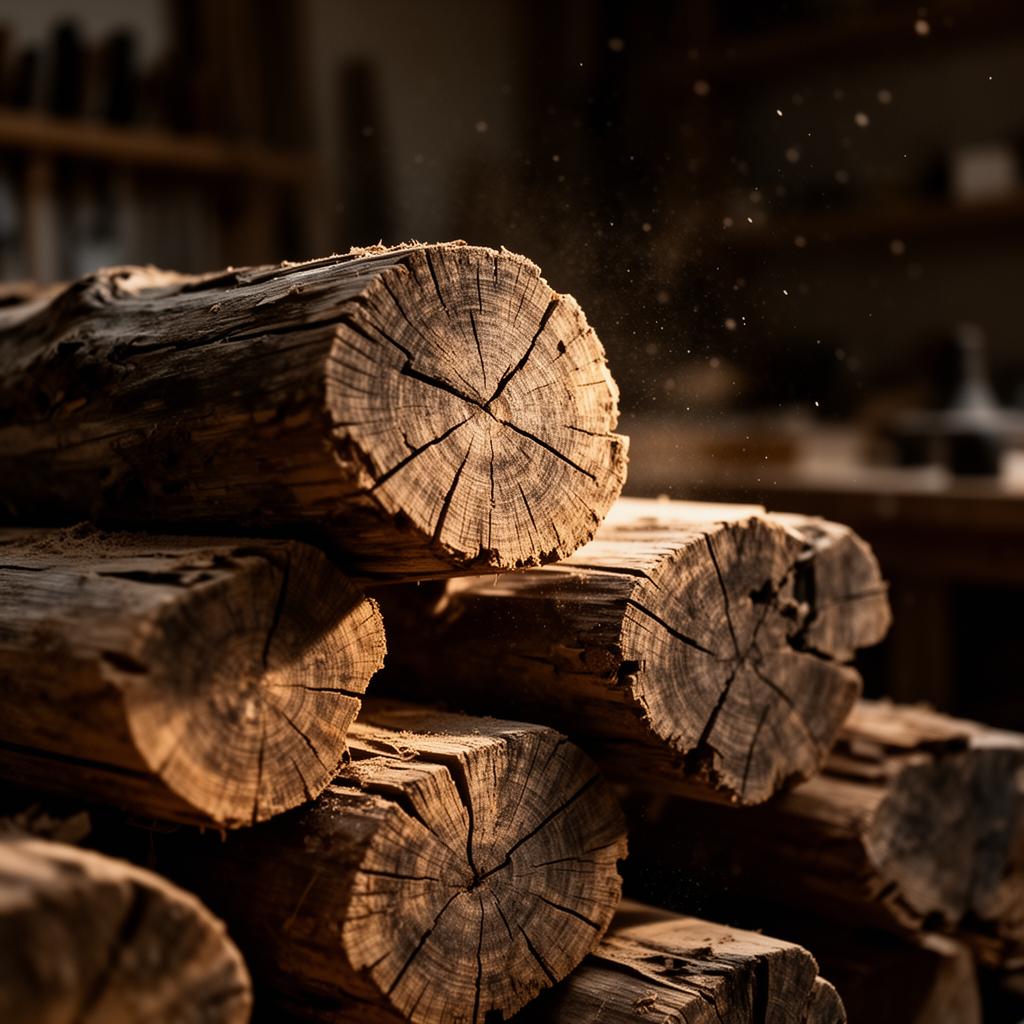
Over those minimum twelve years, internal moisture slowly drops from thirty percent to less than eight. Sugars and resins migrate, crystallise, settle. The fibre tightens. The wood ceases to be an organism and becomes a material. There is no shortcut to this passage; the industrial kilns that claim to do it in six weeks produce dry matter, yes, but dead at the core — brittle, lacking the oily density that gives aged wood its low, steady note when struck.
We test every billet twice a year. Weight, hygrometry, sound. A billet that has not yet found equilibrium rings hollow. One that is ready rings true, almost like a very deep bell. It was by this sound that Augustus, my predecessor, recognised those he could finally cut.
“Wood pressed becomes wood broken. You must let it forget it was once a tree.”
— Augustus Whitmore, notebook of 1987
The silent cost of patience
Of every fifty billets laid down in the cellar, we lose eleven on average. Internal cracks that surface during drying, fungal attacks nothing foretold, grain defects revealed only at first opening. These losses are never billed to the client — they are absorbed in the patience of the house itself. We call it, internally, the price of silence: what it costs to commit to delivering only wood that has finished moving.
When you wear one of our timepieces, you wear a fragment of forest that has spent more time waiting in the dark than it will likely spend living on your wrist. That imbalance feels right to us.
Atelier Lignum Aureum
Edward Whitmore, master of the workshop